
Tips for Creating a Relaxing Home Office Environment
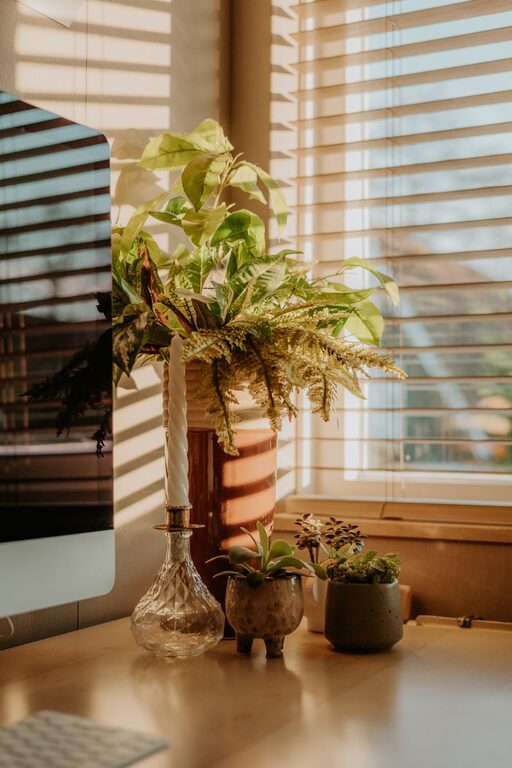
Creating a relaxing home office environment is essential for maintaining productivity, reducing stress, and enjoying your workday. With many people spending more time working from home, the need for a comfortable, calming workspace has never been greater. In this post, we’ll explore practical tips to help you design a home office that supports focus and relaxation.
Why a Relaxing Home Office Matters
Your home office should be a space where you feel comfortable and motivated. A cluttered, noisy, or uncomfortable environment can lead to distractions, fatigue, and reduced work efficiency. By making your home office relaxing, you can encourage mental clarity and maintain a healthy work-life balance.
1. Choose the Right Location
Selecting a quiet, well-lit part of your home is the first step. Ideally, pick a room or corner that has minimal foot traffic and interruptions.
– Avoid spaces near loud appliances or high-traffic areas.
– Consider a room with windows for natural light and fresh air.
– If possible, designate a spot solely for work to create a mental boundary between work and personal life.
2. Optimize Lighting
Lighting plays a huge role in creating a relaxing atmosphere.
– Maximize natural light by positioning your desk near a window.
– Use soft, adjustable artificial lighting for darker hours.
– Avoid harsh overhead lights; instead, opt for desk lamps or floor lamps with warm bulbs.
– Consider installing dimmable lights to tailor brightness throughout the day.
3. Invest in Comfortable Furniture
Comfort directly impacts your concentration and well-being.
– Choose an ergonomic chair that supports good posture.
– Ensure your desk height matches your chair to prevent strain.
– Use accessories like footrests or wrist supports if needed.
– Add cushions or blankets for extra coziness during cooler months.
4. Keep Your Space Organized
A tidy workspace can reduce stress and help maintain focus.
– Use storage solutions such as shelves, filing cabinets, or desk organizers.
– Practice daily tidying to keep clutter from accumulating.
– Arrange cables neatly with clips or sleeves to avoid tangling.
– Personalize your desk without overcrowding it.
5. Incorporate Soothing Colors
Colors influence mood and energy levels.
– Soft, neutral shades like beige, light gray, or pastels create a calming effect.
– Accent with nature-inspired tones such as green or blue to promote relaxation.
– Avoid overly bright or dark colors that may cause eye strain or agitation.
6. Add Natural Elements
Bringing nature indoors can reduce stress and boost creativity.
– Include houseplants to improve air quality and add a touch of green.
– Use natural materials like wooden desk accessories or linen curtains.
– Place a small water feature or natural stones for a tranquil vibe.
7. Control Noise Levels
Noise distractions can disrupt your workflow and increase frustration.
– Use noise-cancelling headphones or white noise machines when necessary.
– Add soft furnishings like rugs and curtains to absorb sound.
– Consider a room divider or door to create a quieter zone.
– Play gentle background music if it helps you concentrate.
8. Manage Temperature and Air Quality
Comfortable temperature and fresh air enhance alertness.
– Keep your workspace well-ventilated.
– Use fans or heaters to maintain a moderate temperature.
– Incorporate an air purifier if needed to improve air quality.
9. Designate Break Zones
Separating work and rest areas encourages regular breaks and relaxation.
– Create a small corner with a comfy chair or yoga mat.
– Use this space for stretching, reading, or mindfulness exercises.
– Stepping away from your desk periodically helps reduce tension and recharge focus.
10. Personalize Your Workspace
Adding personal touches makes your office feel inviting.
– Display artwork or photos that inspire you.
– Use motivational quotes or calendars.
– Combine style and function with decorative storage boxes or trays.
—
Final Thoughts
Creating a relaxing home office environment takes thoughtful planning but is well worth the effort. By focusing on comfort, organization, lighting, and personal touches, you can establish a space that promotes productivity and peace of mind. Try implementing these tips gradually and adjust based on what works best for you.
Remember, your workspace should serve you — so make it a place where you look forward to spending your workday!
Related Post
Tips for Creating a Cozy and Productive Home Office Space
Discover practical tips to design a home office that feels comfortable and boosts your productivity [...]
Tips for Creating a Cozy and Productive Home Office Space
Discover simple ways to design a home office that’s both cozy and productive, helping you [...]

Tips for Creating a Cozy and Inviting Home Workspace
Discover simple and effective ways to design a cozy home workspace that boosts comfort, productivity, [...]