
Tips for Creating a Relaxing Home Workspace That Boosts Productivity

Creating a home workspace that is both relaxing and productive can be a game-changer for anyone working remotely or managing tasks from home. A well-designed environment helps reduce stress, improve concentration, and maintain motivation throughout the day. In this post, we’ll explore practical tips to create a calming workspace that supports your productivity goals.
Why a Relaxing Workspace Matters
Your physical environment plays a crucial role in how you feel and perform. A cluttered or uncomfortable area can lead to distractions and fatigue. On the other hand, a space that feels inviting and organized makes it easier to focus and enjoy your work.
Choose the Right Location
The first step is to find a spot in your home where you can work with minimal interruptions.
– Natural Light: Bright areas with good natural light can boost mood and energy levels.
– Quiet Zone: Pick a place away from noisy areas like the kitchen or TV rooms.
– Comfortable Temperature: Ensure your workspace remains comfortable throughout the day.
If space is limited, consider using noise-cancelling headphones and portable desk solutions.
Invest in Ergonomic Furniture
Sitting or standing comfortably can greatly affect concentration and physical wellbeing.
– Chair: Choose an ergonomic chair with adjustable height and lumbar support.
– Desk: Use a desk with enough surface space to hold your computer, notes, and other essentials.
– Standing Options: Consider a sit-stand desk or a converter to vary your posture during the day.
Taking care of your body reduces discomfort and the risk of strain or injury.
Keep It Clutter-Free and Organized
An organized workspace promotes clarity and reduces stress.
– Storage Solutions: Use shelves, drawers, or organizers to keep supplies tidy.
– Daily Cleanup: Spend a few minutes each day to clear your desk.
– Minimalism: Only keep items on your desk that you use regularly.
Less visual clutter helps your mind stay focused on tasks.
Use Calming Colors and Decor
Colors can influence mood and productivity in subtle ways.
– Soothing Tones: Soft blues, greens, and neutrals create a peaceful atmosphere.
– Personal Touches: Add plants or artwork that inspire and relax you.
– Avoid Overcrowding: Keep decorations simple to avoid distractions.
Plants, in particular, can increase oxygen levels and reduce stress.
Control Lighting and Screen Glare
Proper lighting prevents eye strain and headaches.
– Adjustable Lamps: Use task lighting that you can reposition as needed.
– Screen Positioning: Place your monitor to avoid glare from windows or lights.
– Blue Light Filters: Consider using screen protectors or software to reduce blue light, especially in the evening.
Good lighting supports focus and protects your eyesight.
Incorporate Break Areas and Movement
Taking short breaks is essential for long-term productivity.
– Break Zone: Create a separate area for stretching or relaxing, even if it’s just a corner with a comfortable chair.
– Movement: Stand up, stretch, or walk around every hour to stay refreshed.
– Mindfulness: Practice quick breathing exercises or meditation to reduce tension.
Regular breaks can clear your mind and improve creativity.
Set Boundaries and Work Hours
Clear limits help maintain a healthy work-life balance.
– Define Workspace: Use your space only for work during set hours.
– Communicate: Let family or roommates know your schedule to minimize interruptions.
– Routine: Start and end your day with consistent rituals.
Having boundaries helps your brain switch between work mode and personal time.
Use Technology Wisely
While technology is essential, it can also cause distractions.
– Focus Apps: Use tools that block distracting websites or set timers for work sessions.
– Cable Management: Keep cords organized to avoid a messy workspace.
– Regular Updates: Keep software and devices running smoothly to prevent frustration.
Being intentional with technology use supports a calm and efficient workspace.
Final Thoughts
Designing a relaxing home workspace doesn’t require a huge budget or a separate room. By focusing on comfort, organization, lighting, and breaks, you can create an environment that helps you feel calm and ready to tackle your work. Remember, your workspace should serve you – adapt it as your needs change to keep productivity and wellbeing in balance.
With these tips, your home workspace can become a productive haven where focus and relaxation coexist harmoniously.
Related Post
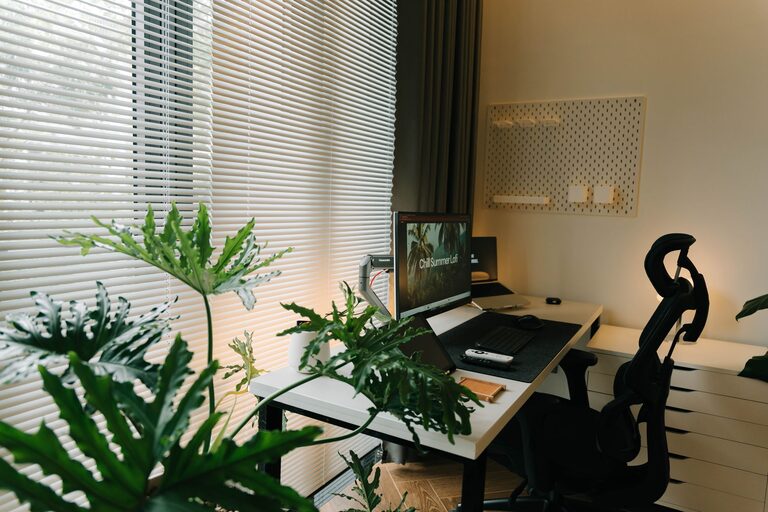
Tips for Creating a Cozy and Productive Home Office Space
Discover practical tips to design a home office that feels comfortable and boosts your productivity [...]

Tips for Creating a Cozy and Inviting Home Workspace
Discover simple and effective ways to design a cozy home workspace that boosts comfort, productivity, [...]
Tips for Creating a Productive Home Office Environment
Discover practical tips to design a home office that boosts focus and productivity. Create a [...]