
Tips for Creating a Productive Home Office Environment
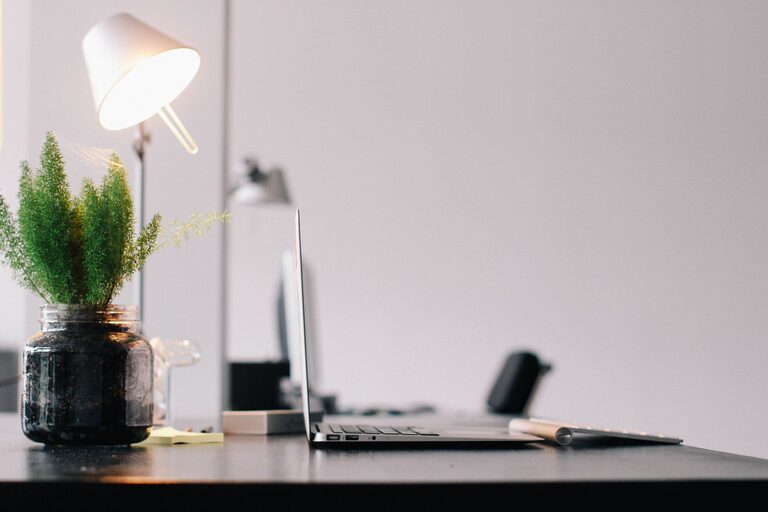
Creating a productive home office environment is essential for anyone working remotely or from home. Your workspace can have a significant impact on your focus, motivation, and overall work quality. Whether you have a dedicated room or just a corner of your living area, setting up an effective home office can help you maintain a healthy work routine and increase efficiency. Here are some proven tips to help you create a productive space that suits your needs.
Choose the Right Location
Finding the right spot for your home office is the first step toward productivity.
– Quiet and Private: Select a space with minimal noise and distractions. Bedrooms, spare rooms, or a quiet nook can work well.
– Natural Light: If possible, choose a location near a window. Natural light helps improve mood and reduces eye strain.
– Separate from Living Areas: Try to avoid working in places primarily used for relaxation, like the sofa or bed, to keep your mind focused on work.
Invest in Ergonomic Furniture
Comfort is key to staying productive throughout the day.
– Desk and Chair: Choose a desk at the right height for your body. An ergonomic chair with good lumbar support will help prevent back pain.
– Monitor Position: Position your computer screen at eye level and about an arm’s length away to reduce neck and eye strain.
– Accessories: Consider a keyboard and mouse that are comfortable and supportive for your hands.
Organize Your Workspace
A tidy environment can reduce stress and help you stay on task.
– Declutter: Keep only the essentials on your desk to avoid distractions.
– Storage Solutions: Use shelves, drawers, or filing cabinets to keep documents and supplies organized.
– Cable Management: Use clips or cable organizers to keep cords untangled and out of the way.
Personalize for Inspiration
Adding personal touches can make your workspace inviting and motivating.
– Decorate Tastefully: Add plants, artwork, or photos that inspire you without overwhelming the space.
– Color Choices: Choose calming or energizing colors depending on your preference. Soft blues or greens can be soothing, while brighter colors like yellow can boost creativity.
Establish a Routine
Discipline helps maintain work-life balance and productivity in a home office.
– Regular Hours: Set consistent start and end times for work to create a routine.
– Breaks: Schedule short breaks throughout the day to rest your eyes and stretch your body.
– Set Boundaries: Communicate your work hours to family or housemates to minimize interruptions.
Optimize Lighting
Proper lighting reduces fatigue and helps you stay alert.
– Use Natural Light: Maximize daylight exposure where possible.
– Task Lighting: Add a desk lamp with adjustable brightness for focused work.
– Avoid Glare: Position screens and lamps to prevent reflections and glare on your monitor.
Manage Noise Levels
Sound distractions can impact concentration.
– Noise-Canceling Headphones: Consider these if your environment is noisy.
– Background Music: Some people find soft instrumental music or white noise helpful for focus.
– Soundproofing: Use rugs, curtains, or wall panels to dampen sound if needed.
Use Technology Wisely
Technology can enhance or hinder productivity.
– Reliable Internet Connection: Ensure a strong connection for video calls and fast browsing.
– Effective Tools: Use apps and software for task management, note-taking, and communication.
– Limit Distractions: Turn off non-work-related notifications while working.
Keep It Comfortable
A comfortable environment supports sustained productivity.
– Temperature Control: Keep the room at a comfortable temperature.
– Air Quality: Ventilate regularly or use an air purifier to maintain fresh air.
– Hydration: Keep water handy to stay hydrated throughout the day.
Regularly Reassess Your Setup
Your needs may change over time, so periodically evaluate your workspace.
– Adjust Furniture: Modify desk height or seating if you experience discomfort.
– Reorganize Supplies: Update your organizational systems to accommodate new tools or materials.
– Refresh Decor: Change decorations to keep your space feeling fresh and motivating.
—
Creating a productive home office environment takes thought and effort, but the benefits are worth it. By carefully choosing your location, investing in ergonomic furniture, keeping your space organized, and establishing good habits, you can build a workspace that supports your best work every day. Start small, be consistent, and adjust as needed to find what works best for you.
Related Post

Tips for Creating a Relaxing Home Workspace That Boosts Productivity
Discover simple ways to design a peaceful home workspace that enhances focus and productivity every [...]

Tips for Creating a Productive Home Workspace That Works for You
Discover practical tips to design a home workspace that boosts focus, comfort, and productivity without [...]

Tips for Creating a Cozy and Inviting Home Workspace
Discover simple and effective ways to design a cozy home workspace that boosts comfort, productivity, [...]